A Historic Shift in Internal Security and Development
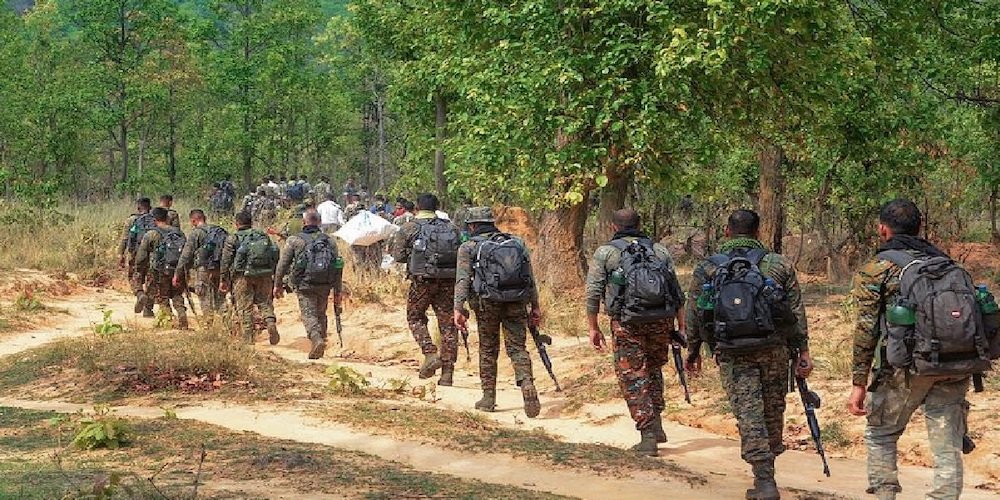
India reached a major internal security milestone on March 31, 2026, when the country became effectively free from Left-Wing Extremism (LWE). According to official government assessments and policy reports, the number of LWE-affected districts dropped from 126 in 2014 to zero by the March 2026 deadline. This change ended nearly six decades of Maoist-inspired insurgency across large parts of central and eastern India.
Left-Wing Extremism in India began with the 1967 Naxalbari uprising in West Bengal. Inspired by Maoist ideology and armed revolution, extremist groups expanded over decades into what became known as the “Red Corridor”. By the early 2000s, several factions merged into the CPI (Maoist), forming a larger armed network that relied heavily on weapons looted from police armouries.
In 2009, the Indian government identified Naxalism as the nation’s biggest internal security challenge. In remote forest and tribal areas, insurgents disrupted public life, attacked security forces and infrastructure, and tried to set up parallel systems. Before 2014, policy analysts and officials noted that uncoordinated state responses and poor physical access in difficult terrain helped extremism persist.
A Multi-Pillar Strategy: Security, Infrastructure, and Welfare
Official assessments credit a twelve-year integrated strategy — often described through the pillars of restoring trust in the state (Vishwaas), building infrastructure (Nirman), and delivering welfare (Jan Kalyan) — for turning the situation around. Instead of relying only on force, the approach paired security operations with road and telecom links, administrative outreach, and rehabilitation.
On the security front, central and state agencies improved intelligence coordination, unified command structures, and operational reach. Official and policy reports point to hundreds of fortified police stations and hundreds of Central Armed Police Forces (CAPF) camps, alongside specialized units such as CoBRA, Greyhounds, Special Task Forces, and District Reserve Guards. Coordinated operations — including Operation Thunderstorm, Operation Bhimbandh, Operation Octopus, Operation Double Bull, and Operation Black Forest — dismantled major strongholds and weakened extremist leadership and networks. Financial probes by agencies like the National Investigation Agency and the Enforcement Directorate also targeted funding channels and attached assets.

Physical and digital connectivity helped end isolation in remote areas. Thousands of kilometers of roads were built in affected regions, while thousands of mobile towers expanded telecom coverage. Banking outlets, housing support, Eklavya Model Residential Schools, and initiatives like PM-JANMAN and the Dharti Aaba Janjatiya Gram Utkarsh Abhiyan aimed to bring basic services closer to tribal communities.
Surrender, Rehabilitation, and Measurable Outcomes
Surrender and rehabilitation programmes gave cadres a path to leave armed groups and return to normal life. Policy frameworks provided immediate financial grants, monthly stipends, weapon-deposit incentives, skill training, housing support, and school education for cadres’ children, leading thousands of cadres to surrender over the years.
Measurable indicators reflect a sharp decline in violence. Official data shows violent incidents dropped from 870 in 2014 to 234 in 2025, while annual fatalities also fell significantly from earlier highs. Regions once known as strongholds, including areas across Chhattisgarh, Jharkhand, and Odisha, saw steep drops in violence and stronger local administration.
Sustaining Peace and Addressing Remaining Challenges
While reaching zero LWE-affected districts is a major milestone, analysts and observers note that lasting stability requires steady follow-through. Preventing any ideological or organisational resurgence depends on responsive local governance, fair implementation of forest and land rights, and reliable economic opportunities in tribal areas.
Strong rehabilitation also remains essential so former cadres and affected residents build sustainable livelihoods rather than facing renewed marginalization. Keeping roads, mobile networks, schools, and health facilities running well ensures that development reaches every village.
Conclusion
Moving toward a Naxal-free India marks a significant chapter in the country’s internal security journey. By combining targeted security operations with infrastructure growth, welfare delivery, and rehabilitation, authorities worked to replace conflict and isolation with public services and civic participation. Protecting these gains will require consistent governance and inclusive development across regions once shaped by unrest.