The Digitalisation of Education in India
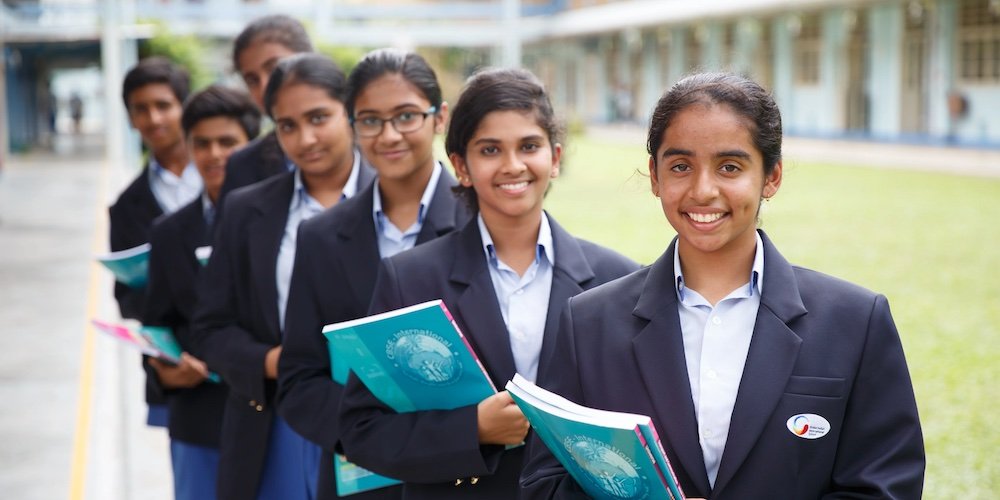
Education in India is undergoing a monumental shift, marked by a deliberate transition from traditional, exam-centric paradigms to a holistic, technology-driven ecosystem
As the nation aims for rapid socio-economic advancement, the education sector has emerged as the primary crucible for human capital development. The most definitive catalyst for this modern transformation is the systematic rollout of the National Education Policy (NEP) alongside an unprecedented surge in digital public infrastructure. Together, these forces are reshaping how millions of Indian students learn, think, and prepare for a rapidly evolving global workforce.
For decades, the Indian education system faced structural critiques for its rigid frameworks, heavy reliance on rote learning, and stark urban-rural disparities. The policy reforms initiated under the NEP have directly targeted these vulnerabilities by introducing a flexible 5+3+3+4 curricular structure. This blueprint replaces the dated 10+2 system, integrating early childhood education into the formal schooling matrix.
By emphasising conceptual understanding over memorisation, the current reforms aim to foster critical thinking and cognitive development right from the foundational years.
Furthermore, the decoupling of rigid academic streams allows students to combine sciences with humanities, bridging the historic divide between diverse disciplines and mirroring the multifaceted demands of the contemporary economic landscape.
Parallel to these structural changes is the democratisation of learning through technology, a trend accelerated by the expanding footprint of digital public infrastructure. The digital divide, which long isolated rural classrooms, is gradually being bridged by government-backed platforms and accessible internet connectivity.
Initiatives like the PM e-VIDYA programme and the DIKSHA portal have standardised high-quality digital content across regional languages, making resources accessible to students in the remotest corners of the country. This integration of educational technology ensures that a child in a tier-3 city or a village has access to the same pedagogical resources as their peer in a metropolitan private school, fostering equity in an otherwise fragmented system.
Higher education in India is experiencing a simultaneous transformation, characterised by an aggressive push toward internationalisation and research autonomy. The recent regulatory frameworks allowing foreign universities to establish physical campuses in India represent a paradigm shift in global academic integration.
This move not only retains local talent by offering world-class education domestically but also cultivates an environment of healthy institutional competition.

Concurrently, the establishment of the National Research Foundation aims to cultivate a robust culture of peer-reviewed research and innovation within Indian universities.
By funding multidisciplinary research, India is shifting its higher education focus from producing mere degree-holders to nurturing innovators, scientists, and industry leaders capable of driving the nation’s technological self-reliance.
However, a transformation of this scale is not without formidable headwinds. The primary challenge lies in the uneven implementation of these reforms across various states. Because education falls under the concurrent list of the Indian Constitution, absolute synchronisation between the central directives and state-level execution remains complex.
Additionally, infrastructural deficits — ranging from erratic electricity supply in rural schools to a shortage of digitally literate educators — pose significant operational hurdles.
Upgrading teacher training programmes is crucial; without transforming the educators themselves, the transition from conventional teaching methods to experiential, technology-integrated learning cannot be fully realised.
Moreover, the psychological well-being of students has rightfully taken centre- stage in recent educational discourse. Addressing the intense pressure generated by high-stakes board examinations and entrance tests, educational boards are gradually introducing modular assessments and emotional wellness programmes. By shifting towards continuous evaluation, the system is attempting to mitigate exam-induced stress and foster a healthier learning environment that values mental resilience as much as academic excellence.
Looking ahead, the trajectory of Indian education is intrinsically tied to the national vision of a developed economy. The integration of vocational training from middle school onward ensures that the future workforce is equipped with employable skills, directly addressing the historic challenge of graduate unemployability. By blending traditional cultural values with cutting-edge digital tools, the system seeks to build global citizens who remain rooted in the Indian ethos.
In conclusion, the recent developments in India’s education sector reflect a profound structural and digital metamorphosis. While challenges regarding infrastructure and uniform implementation persist, the transition toward a flexible, inclusive, and technologically integrated model is irreversible.
By prioritising foundational literacy, multidisciplinary higher education, and digital equity, India is successfully laying the groundwork to convert its vast demographic dividend into an empowered, knowledge-driven global powerhouse.