A TB-Free India
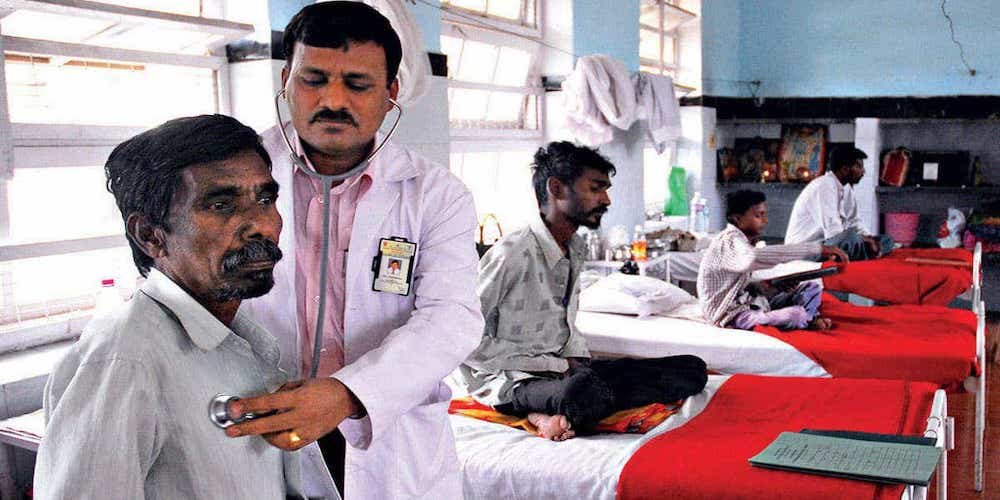
India’s fight against tuberculosis has achieved significant milestones, with yearly emerging cases dipping by 21%, compared to the global decline of 12% between 2015 and 2024. India’s treatment coverage is 92% versus global coverage of 78%.
Driven by the intensified TB Mukt Bharat Abhiyaan, cumulative screenings have crossed 28.1 crore, with over 20 lakh individuals provided TB Preventive Treatment (TPT), 5.7 lakh new Nikshay Mitras added, and 46,118 Gram Panchayats awarded TB-free certification.
The national response has been substantially accelerated through a 34-fold increase in X-ray screening via handheld units, the rollout of the TB Mukt Bharat App featuring the AI chatbot ‘Khushi’, and the introduction of the shorter, safer BPaLM (Bedaquiline, Pretomanid, Linezolid, and Moxifloxacin) treatment regimen for drug-resistant patients alongside advanced AI-driven triage tools.
Building on this progress, the JOSH (Joint Squad for Health) campaign mobilises young people and communities to promote TB awareness, early detection, timely treatment, and treatment adherence, while addressing stigma. By strengthening community participation and collective action, the campaign reinforces the Jan Andolan approach towards achieving a TB-free India
The dream of a tuberculosis-free nation is one of the most critical public health priorities for contemporary India. Historically known as a silent killer, tuberculosis (TB) has claimed millions of lives and devastated families across generations. Recognising the immense socioeconomic and human toll of this disease, India has shifted from a stance of routine disease control to an aggressive strategy aimed at complete elimination. This national mission, encapsulated in the vision of “Towards a TB Free India,” represents a monumental effort that fuses political will, scientific innovation, community mobilization, and a deep commitment to health equity.
India bears the world’s highest burden of tuberculosis, accounting for over a quarter of global TB cases. This high prevalence is deeply intertwined with systemic socioeconomic challenges. TB is not merely a biomedical issue; it is a disease of poverty, malnutrition, and overcrowded living conditions. Poor ventilation, lack of awareness, and the social stigma attached to the diagnosis often lead to delayed treatment-seeking behavior. Furthermore, the rise of drug-resistant strains, such as Multi-Drug Resistant TB (MDR-TB), has complicated treatment regimens, making them longer, more expensive, and harder for patients to endure.
The economic impact is equally devastating, as TB primarily affects individuals in their most productive working years, trapping vulnerable families in an ongoing cycle of poverty and ill health.
In response to this crisis, the Government of India launched the National Strategic Plan for TB Elimination, setting an ambitious target to eliminate TB by 2025, five years ahead of the global Sustainable Development Goals deadline. This bold objective galvanised the healthcare sector, shifting the focus from passive case-finding to active, aggressive detection.
Under the banner of the Pradhan Mantri TB Mukt Bharat Abhiyaan, the country has decentralized diagnostic services and deployed advanced molecular diagnostic machines across rural and urban centers. By replacing traditional sputum microscopy with rapid molecular tests, healthcare providers can now detect TB and identify drug resistance within hours rather than weeks, allowing patients to start the correct treatment immediately.

A highly innovative pillar of India’s current strategy is the integration of nutritional support into medical treatment. Because undernutrition is a primary driver of TB susceptibility and poor treatment outcomes, the government introduced the Nikshay Poshan Yojana. This initiative provides direct benefit cash transfers to patients to help them afford nutritious food during their recovery.
Going a step further, the Ni-kshay Mitra initiative has successfully gamified and socialised public health philanthropy. It allows corporate entities, non-governmental organisations, and individual citizens to adopt TB patients and sponsor their nutritional and vocational needs. This unique model has effectively transformed a medical campaign into a people’s movement, reducing stigma and fostering a sense of collective societal responsibility.
Technology has also acted as a force multiplier in this national mission. The Ni-kshay portal serves as a unified digital surveillance system that tracks every TB patient from diagnosis through to their final cure. This platform enables real-time monitoring of treatment adherence, public-private sector notifications, and swift financial transfers.
Simultaneously, the Indian healthcare system has made massive strides in engaging the private medical sector. Since a vast portion of India’s population seeks initial care from private doctors, bridging the gap between public protocols and private practitioners has ensured that standardised, high-quality TB care reaches patients regardless of where they seek treatment.
However, despite these remarkable advancements, significant hurdles remain on the path to a TB-free future.
Ensuring 100% treatment adherence remains difficult, especially among migrant laborers and rural populations who face logistical barriers to accessing healthcare.
The psychological and physical toll of long drug regimens can lead to patients defaulting on their medicine, which inadvertently fuels the spread of drug-resistant bacteria.
Additionally, urban slums and poorly ventilated industrial workspaces continue to act as hotbeds for transmission.
Addressing these gaps requires sustained funding, continuous training for front-line healthcare workers, and a renewed focus on airborne infection control in public spaces.
The ultimate success of the movement hinges on sustaining this momentum and expanding community-led advocacy. Public awareness campaigns must continue to dismantle old taboos, reframing TB as a completely curable illness rather than a social disgrace. Medical research must also remain a priority, with Indian scientists actively contributing to the development of shorter drug regimens, more effective diagnostics, and a new, more potent preventive vaccine to replace the century-old BCG vaccine.
Achieving a TB-free India is an ambitious but entirely attainable milestone. It is a journey that transcends medical prescriptions, requiring the alignment of housing reforms, nutritional security, and digital innovation. By shielding its most vulnerable citizens from the clutches of this ancient disease, India is not only securing the health of its people but also unlocking its full economic and social potential on the global stage.