Pumped Storage Hydropower
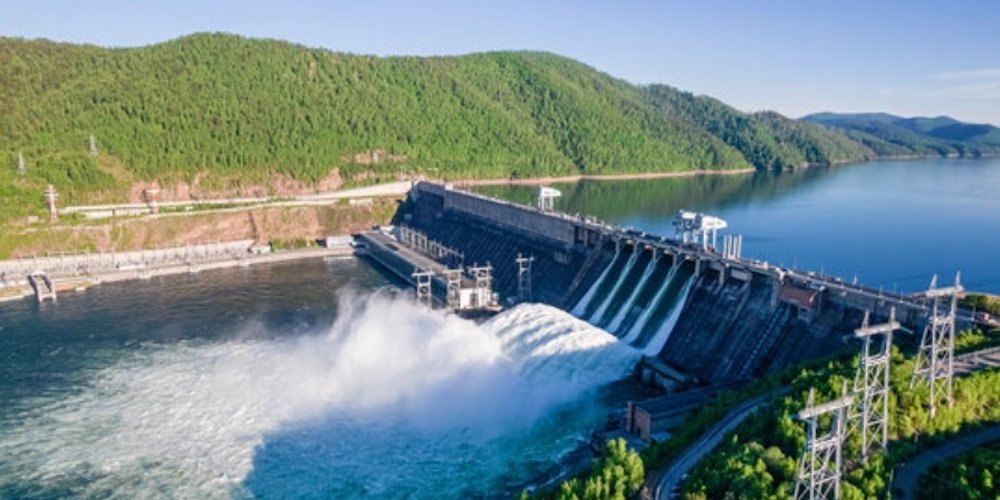
As clean energy reshapes India’s power landscape, a timeless technology is paving the way for a powerful new energy future. Often described as a water battery, pumped storage uses water and gravity to store electricity, bridging the gap between when power is generated and when it is needed. From reservoirs to modern grids, it is helping shape a cleaner, more reliable and resilient energy future.
India is undergoing one of the world’s most ambitious clean energy transitions. As the nation targets 500 gigawatts (GW) of non-fossil fuel capacity by 2030 and aims for net-zero emissions by 2070, the energy landscape is shifting dramatically from coal-dependent baseload power to variable renewable energy sources like solar and wind.
However, the inherent intermittency of these green sources poses a significant challenge to grid stability. Solar power peaks during the afternoon, while wind energy is highly unpredictable. To bridge this gap and prevent grid collapse, large-scale, long-duration energy storage is an absolute necessity.
Among the available technologies, Pumped Storage Hydropower (PSH) has emerged as the most viable, cost-effective, and mature solution to power India’s clean energy future.
The Mechanics and Value Proposition of PSH
Pumped Storage Hydropower operates essentially as a giant water battery. The system utilises two water reservoirs at different elevations. During periods of low electricity demand or excess renewable generation (such as peak sunny hours), surplus electricity is used to pump water from the lower reservoir to the upper reservoir. Conversely, during peak demand hours or when the sun sets, the stored water is released back down to the lower reservoir, flowing through turbines to generate electricity instantly.
Compared to alternative storage technologies like lithium-ion batteries, PSH is said to offer unparalleled advantages for India’s grid infrastructure.
Grid Balancing and Renewable Integration
The primary catalyst for India’s PSH push is the need to flatten the infamous “duck curve”—a graphic representation of deep midday power drops due to massive solar generation, followed by a steep evening ramp-up when solar disappears and household demand peaks.
PSH plants provide the grid with the flexibility required to absorb this solar surge. By acting as a major electricity consumer during the day, PSH prevents the curtailment of solar power. In the evening, it transforms into a high-capacity generator within minutes. Furthermore, PSH provides essential ancillary services, including spinning reserves, reactive power, and black-start capabilities, which are vital for maintaining grid frequency and preventing widespread blackouts.

India’s Vast Potential and Policy Momentum
India possesses immense geographical advantages for PSH development. The Central Electricity Authority (CEA) has estimated India’s total PSH potential at roughly 119 GW across dozens of identified sites, primarily concentrated in the Western Ghats, Eastern Ghats, and the Himalayan region. Despite this vast potential, only a fraction has been traditionally operationalised.
Recognising this underutilised asset, the Government of India has introduced robust policy frameworks to expedite construction:
• Guidelines for PSH Development: The Ministry of Power introduced streamlined guidelines that fast-track environmental clearances and eliminate double taxation on the energy used for pumping.
• Exemptions from ISTS Charges: Waiving Inter-State Transmission System (ISTS) charges for PSH projects ensures that stored power can be transmitted across state borders affordably.
• Energy Storage Obligations (ESO): Mandating distribution companies (DISCOMs) to source a specific percentage of their energy from storage systems has created a guaranteed market.
• Monetisation of Ancillary Services: New market mechanisms allow PSH developers to gain revenue not just from arbitrage (buying cheap power and selling dear power), but also from stabilizing grid frequency.
Challenges to Widespread Deployment
Despite the favorable economics and policy tailwinds, the deployment of PSH faces considerable bottlenecks.
• High Initial Capital and Gestation: PSH projects are capital-intensive and carry long gestation periods, often taking 5 to 7 years to construct due to complex civil engineering requirements.
• Environmental and Social Impact: Large-scale reservoirs can lead to forest submergence, biodiversity disruption, and the displacement of local communities, triggering lengthy local resistance and environmental litigation.
• Water Availability: PSH projects rely on consistent water sources. In water-stressed regions of India, allocating large volumes of water for energy storage can spark conflicts with agricultural and domestic needs.
To mitigate this, India is increasingly shifting focus toward off-river closed-loop PSH systems, which use minimal initial water refills and cycle the same water continuously without disrupting natural river systems.
Conclusion
Pumped Storage Hydropower is no longer a peripheral option; it is the cornerstone of India’s transition to a decarbonized electricity grid. By providing unparalleled long-duration storage, indigenous supply chain security, and vital grid stabilization, PSH perfectly complements the rapid scaling of solar and wind energy. As the country navigates the challenges of financing, environmental clearances, and engineering, the strategic execution of PSH projects will dictate the success of India’s green journey. Investing in these massive “water batteries” ensures that India’s clean energy transition remains not only ambitious but also resilient, secure, and sustainable for generations to come.