Fighting Cancer
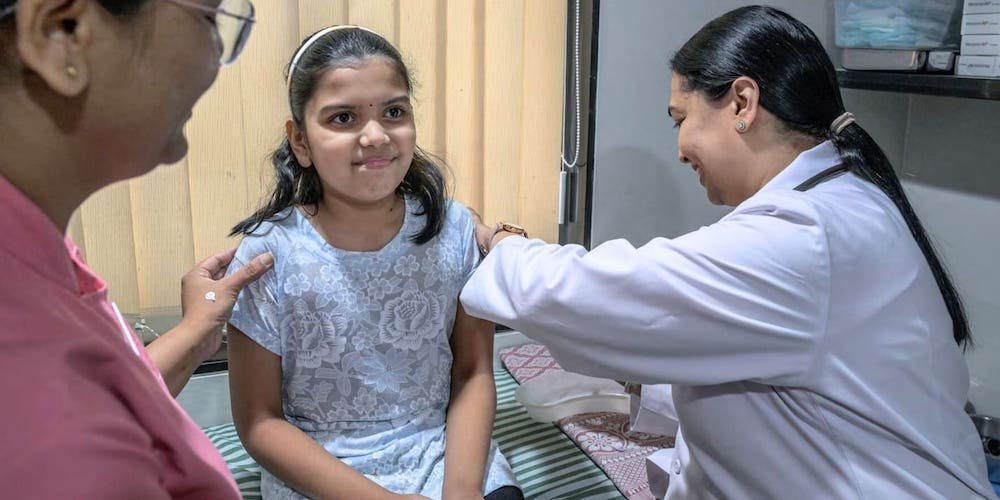
In a significant victory for preventive healthcare, India has achieved a major milestone by administering over 80 lakh (8 million) Human Papillomavirus (HPV) vaccinations since launching its nationwide cervical cancer prevention drive on February 28, 2026. Spearheaded by the Union Health Ministry, the campaign targets 14-year-old girls with a single dose of the Gardasil-4 vaccine, distributed free of cost across government health facilities
Cervical cancer remains the second most common cancer among Indian women, claiming approximately 80,000 lives annually and accounting for nearly a quarter of the global burden. By integrating the HPV vaccine into its public health infrastructure, India has taken an ambitious step toward eliminating this highly preventable disease.
However, the programme’s rapid implementation has triggered an intense legal and ethical debate, exemplified by a Public Interest Litigation (PIL) filed before the Supreme Court of India by organisations like the Universal Health Organisation (UHO). The petition challenged the rollout over critical issues of parental informed consent, active adverse event tracking, and compensation. While the judiciary ultimately dismissed the plea to protect public health momentum, the friction between swift national intervention and robust bioethical compliance highlights a core challenge in modern governance.
The Scale and Triumph of the Vaccination Drive
The administrative scale of India’s HPV immunisation campaign is an impressive feat of logistics. Aiming to protect roughly 12 million adolescent girls every year, the initiative has systematically utilized the country’s existing Universal Immunisation Programme network, including primary health centres (Ayushman Arogya Mandirs) and district hospitals.
The programme has achieved remarkable geographical success:
Regional Leaders: Uttar Pradesh has led the nation, vaccinating over 22 lakh girls.
Complete Cohort Coverage: States such as Gujarat, Madhya Pradesh, and Mizoram have successfully covered 100% of their identified target cohorts.
Clinical consensus strongly supports this drive. The World Health Organisation (WHO) and global vaccine alliances emphasise that primary prevention during early adolescence provides 93% to 100% effectiveness against oncogenic HPV strains before potential exposure. This massive deployment not only protects individual futures but also establishes a framework for herd immunity, promising to reduce future healthcare burdens related to advanced chemotherapy, radiation, and surgical oncology.

The PIL and Ethical Friction: Consent, Safety, and Tracking
Despite the clear public health benefits, the rollout faced legal pushback when public interest litigations raised bioethical questions regarding implementation protocols. The core of the petition rested on the assertion that public health crises should not bypass strict constitutional safeguards regarding individual rights and bodily autonomy.
The petitioners argued that school-based mass immunisation drives risk shifting from voluntary participation to institutional pressure if not managed carefully. A key concern was the lack of standardised, comprehensive consent material in regional languages, which limits the ability of parents from diverse socio-economic backgrounds to make fully informed decisions.
Furthermore, the litigation highlighted systemic gaps in active safety tracking. While the government connected vaccination sites to 24×7 Adverse Events Following Immunisation (AEFI) management centres, critics noted the absence of a publicly accessible, real-time national AEFI surveillance dashboard specifically dedicated to the HPV rollout.
The petition also pointed out the lack of a statutory Vaccine Injury Compensation Scheme, a protective measure standard in several international jurisdictions to reassure the public and support families in the rare event of severe medical complications.
The Judicial Stance and Public Trust
The Supreme Court of India, led by Chief Justice Surya Kant, evaluated the petition with a clear focus on broad public safety. The three-judge bench dismissed the PIL, cautioning that making unsubstantiated claims against recommended vaccines could fuel public hesitancy and derail an essential preventive health initiative.
The court observed that established mechanisms for managing individual adverse reactions already exist within India’s medical network, and questioned the motives behind challenging a globally validated medical strategy.
While the court’s decision prevented a disruption of the programme, the concerns raised in the PIL remain relevant to building long-term public trust. Vaccine hesitancy is often driven by communication gaps rather than outright resistance. By addressing the need for accessible information and transparent data tracking, public health agencies can help counter misinformation and strengthen community confidence.
Conclusion
India’s progress in delivering over 8 million HPV vaccinations is a major milestone in the country’s fight against cervical cancer. However, the legal discussions surrounding the rollout serve as a reminder that large-scale health initiatives must balance logistical speed with clear communication and transparency.
To build on this success, future phases of the campaign could benefit from clearer consent procedures in regional languages and more visible safety tracking data. By combining efficient administrative execution with clear, accessible public communication, India can ensure its nationwide drive remains both highly effective and widely trusted.