Improving the IPL
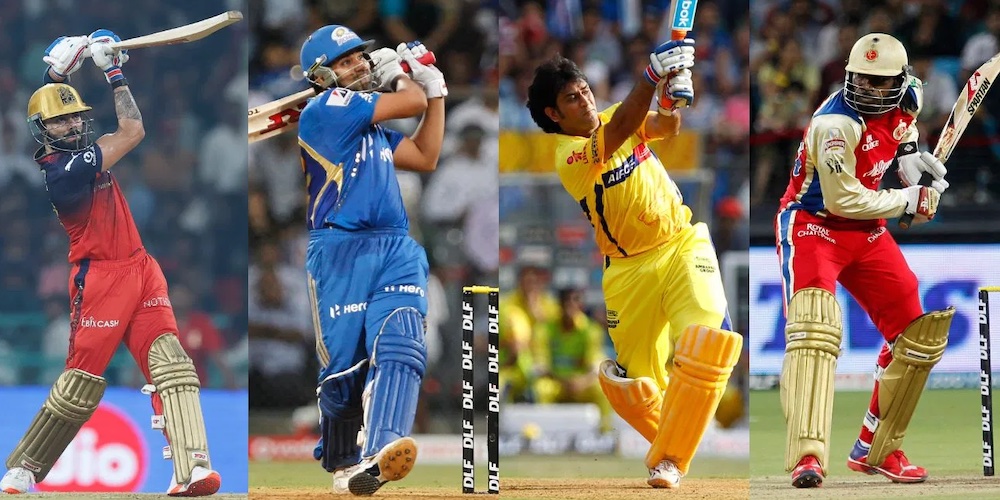
From a business perspective, the 2026 edition of the IPL was disappointing. There was an 18.8% year-on-year drop in viewership and, on average, a 26% drop in the viewership of a single match. Worse, there was a 31% drop in the number of brands advertising on television. All this is worrying to the powers that be in the BCCI because Indian cricket depends on advertising and television viewership for the overwhelming chunk of its revenues
The IPL’s business decline is simple to understand.
The IPL has become predictable, boring, and like a trapeze act in a circus. In a trapeze, people get bored with it and want more dangerous stunts. Similarly, the IPL sought to become more exciting by following a formula that initially brought dividends: the pitches were lifeless so as to encourage stroke play; and in 2023 it brought in an impact player rule which allowed a team to substitute a batsman or bowler to better deal with the match conditions.
What followed was a run glut with teams regularly in excess of two hundred in an innings and players raining sixes all over the field. And the viewership numbers started to decline as the deluge of sixes became as exciting as a single being hit.
World-class bowlers like Jasprit Bumrah, Pat Cummins, Kagiso Rabada, and Jofra Archer began to look like Ranji Trophy level trundlers as they were hit around the field by batsmen of caliber as well as those who were quite ordinary.
The dead pitches and the change in rules favored batsmen who ended up with inflated averages and strike rates that crossed 200.
The problem, of course, was that while this appealed to those who went to a game to be seen on television, the real aficionados of the sport started to lose interest.
Worse, as the recent series against England has shown, Indian batsmen with faulty techniques that worked on flat pitches in India had a much harder time on pace-friendly wickets that took seam and swing. It also raises the concern whether Indian batsmen will be able to meet the rigors of test cricket where there are no restrictions on field placement and the wickets are made to aid bowlers.
It seems Indian fans do not care about test matches anymore, given recent attendance numbers, but in the rest of the world test cricket still has an audience, and if India wants to claim it is a leading test-playing nation. The fact is that the country has got lucky by winning back-to-back T20 World Cups, but before that there was a drought of over fifteen years where the country’s reputation as a cricketing power rested on the shoulders of great test players like Tendulkar, Sehwag, Laxman, Dravid, and Ganguly. The danger of the flat-tracks, therefore, is to significantly reduce the batting abilities of the national team, and even if India played all its tests at home, that would not help matters.
In the first test of last year’s test series against South Africa, India had to make 124 in the second innings and fell short by 30 runs. The main damage was caused by spinners Simon Harmer and Keshav Maharaj who took six wickets between them — yet Indian batsmen are supposed to be comfortable playing spin and the Indian coach, Gautum Gambhir, shortsightedly asked for a spinning track.

In the second test, South Africa set India a target of 549 and once again Harmer inflicted the main damage, taking six for thirty-seven and bundling India out for a pathetic score of 140. Bad stroke play was the main culprit because IPL-type shots do not work at the highest level of the game.
So, the BCCI has a choice. It can continue to present a batsman-friendly IPL that bores spectators and makes batsmen less capable at the highest level of the game. To continue the run circus will have diminishing returns as spectator interest will flag and players are unlikely to hone the skills needed to succeed in tests.
What, therefore, needs to be done?
Sachin Tendulkar may have taken the decision to not coach at the highest level, but he is one of the shrewdest observers of the game, and he has addressed the one-sided nature of IPL contests. Tendulkar has argued that if a bowler is bowling well, then he should be given a fifth over so as to even the contest between bat and ball. He has also recommended that a power play be reduced to four overs for the batting side and the fielding captain be allowed to decide when the last two overs of the play are taken.
Both are good suggestions, but the power play could be made more challenging if, in its two overs, it could put more players out of the thirty-yard circle and choke off the run flow. At that stage, one would find out if the batsmen actually had the skill sets to play attacking cricket.
The other change is to make bowler-friendly pitches. What I mean by that is not these heavily turning wickets that Shastri and Gambhir love, and which both New Zealand and South Africa used to destroy the Indian test team. What is needed are pace-friendly wickets because they not only test the batsmen but also encourage the development of fast bowlers.
India has a major problem in the fast bowling department. Jasprit Bumrah, the one world-class pacer, is on the wrong side of thirty and is increasingly being hampered by injuries. Both Siraj and Shami are getting old, and the next generation lacks pace and penetration. Yet pace bowlers are vital to win matches and India needs a new group of fast men to fill this gap. To create such a group of bowlers, the BCCI needs to make faster wickets which support the efforts of the bowlers.
Lastly, one of the reasons they say IPL viewership is down is because many people are just looking at the highlights on television or on their phones. What India has is a much bigger problem which exists worldwide, where the younger generation has a short attention span and cannot appreciate deferred gratification.
Cricket was never about hitting sixes. It was about the struggle about bat against ball and that is why it made for fascinating watching for the true aficionados. The true enthusiasts are the ones the IPL should seek to attract since they do not get easily bored and, instead, love all aspects of the game. The attention deficit crowd which wants sixes (and what next, one-handed shots for six) will at some point of time get totally bored with this form of cricket and the real fans will be alienated from the game.
It is time, therefore, to save the IPL but more importantly the game of cricket.
(Amit Gupta is a Senior Fellow of the National Institute for Deterrence Studies, USA. He writes on strategic issues and occasionally on sports and politics. The views in this article are personal and he may be contacted at agupta1856@yahoo.com )