BASANT IN PAKISTAN
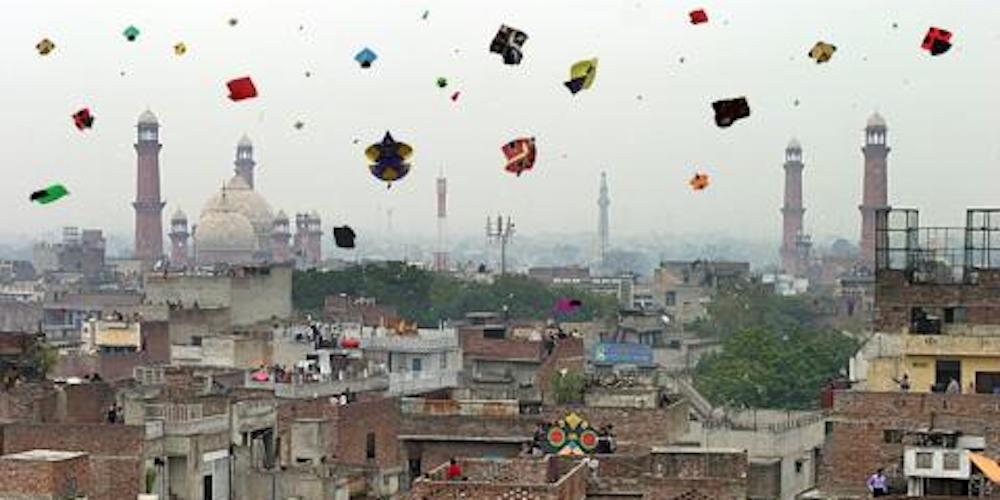
Pakistan is now trying to use Basant as a tourism anchor to put Lahore back on the map as a global cultural destination.
On 06 February 2026, the Punjab government finally ended the 18-year-long ban on Basant in Lahore. It wasn’t a total free-for-all, though, they started with a three-day “pilot project.” This move followed the Punjab Regulation of Kite Flying Bill 2025, which cleared the legal path back in December. The Chief Minister framed it as bringing back a “landmark cultural event,” but with a heavy emphasis on safety SOPs.
The main mission for the police was to stop the use of metallic wire and the infamous chemical-coated string (manjha). Throughout early February, teams raided manufacturing spots to choke off the supply of the dangerous twine. Even with the crackdown, it was not a perfectly safe weekend, the Home Department reported 118 accidents and six deaths, mostly from rooftop falls or people hitting power lines. Despite the tragedy, the Chief Minister felt the public showed enough “discipline” that she actually extended the celebration until early morning on 09 February, as a gesture of goodwill to Lahoris.
The state went all-in on safety tech for the revival. They handed out 1.4 million free safety rods to bikers to catch stray strings before they could cause injuries. Safe City authorities also used a network of drones and CCTV cameras to watch rooftops for illegal materials. It was basically a massive logistics operation: to handle the ten million people flooding into Lahore, the government set up 25 field hospitals and 200 mobile medical units. It was easily the most monitored cultural event in the history of the province.
The return of the festival was a huge win for the local economy, bringing in an estimated Rs 6 billion. In the old Walled City, people were renting out their rooftops for insane prices — anywhere from Rs 500,000 to Rs 1.5 million just for one night if you had a view of the Badshahi Masjid. Social media was a major factor, too. A whole new generation who had never seen Basant before filled Instagram and TikTok with “peace-loving and vibrant” content, giving Pakistan some great global PR.

The issues in the background
First, Basant is not just about kites. It is a centuries-old folk festival marking the arrival of spring. It is traditionally associated with yellow from the blooming mustard flowers in the fields to the yellow clothes everyone wears. It has roots in Sufi culture and local legends, but over time, it became a secular holiday that everyone in Punjab, regardless of religion, could get behind.
Second, the ban that started in 2005-2007 wasn’t arbitrary. It was a response to a “menace” of deaths caused by glass-coated strings and stray bullets from celebratory firing. For nearly two decades, Basant was “silent.” One would see the occasional defiant kite in places like Rawalpindi, but the 2025-2026 legislative change was the first real attempt to make it legal again by regulating the industry with things like QR-coded kites and registered sellers.
Third, the decision to bring it back was not without drama. Throughout 2025, there was a lot of internal debate. Some argued it was too dangerous or “un-Islamic,” while others saw the ban as cultural erasure. The 2026 pilot in Lahore was essentially a massive experiment to see if the government actually had the capacity to manage such a high-risk event.
What does it mean?
Because the Lahore event went relatively well, there is a domino effect. Quetta has already announced its own Basant festival. This points to a bigger national trend of using these festivals to lift the public mood and give the economy a much-needed boost.
Even though the Basant in Lahore was considered a success, the 112 injuries show that the current system is not perfect. One should see even more aggressive regulation of the string supply chain, and maybe even a law making safety rods mandatory for all motorcycles.
Pakistan’s global image is getting a “positive shift.” Having foreign diplomats and international cameras capturing the colours of Basant provides a different story from the usual security headlines. The government is now trying to use Basant as a tourism anchor to put Lahore back on the map as a global cultural destination.
(Courtesy – NIAS Area Studies : Pakistan Reader)