SOLIDARITY IN SKY
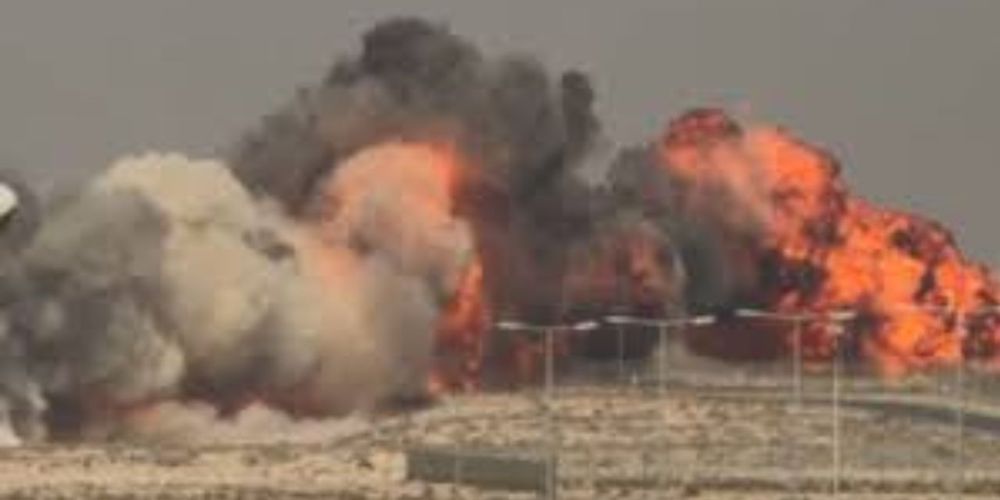
Divided at the Partition that accompanied their nations’ independence, the Indian Air Force (IAF) and the Pakistan Air Force (PAF) have fought each other in all conflicts from 1947 to date.
Available data on casualties are only broad estimates since combatants anywhere tend to exaggerate their claims.
The IAF lost between 120 and 150 combat aircraft against the PAF, which lost between 70 and 90. The estimates of human casualties — men behind these machines – are IAF: between 200-260, which includes Killed in action (KIA): 140–180. Missing/lost in action (MIA): ~ 20–30, and Captured (POW) at various times: 40–55. PAF casualties of 140–190 cover Killed in action (KIA): ~100–130, Missing / lost in action (MIA): 10–20 and Captured (POW) at various times: 30–40.
These figures are likely to be contested. India cannot be sure if figures of the 1971 conflict include pilots listed as missing or believed captured, Flight Lieutenants Vijay Vasant Tambay and Nirmal Jit Singh Sekhon, who were shot down over enemy territory.
The role of the air force cannot be exaggerated since the May conflict saw them in action, to the virtual exclusion of the army and the navy. This is the foreseeable future.
It is another matter that India’s armed forces stay politically neutral, while in Pakistan, despite the PAF’s role that is certain to continue, the army and its Chief enjoy the overall primacy in military matters.
However, beyond this gloating over the inevitable rivalry in the sky and space, and matching rhetoric from the political and military leaderships, a happy diversion, even a solemn one, has been on display.
At the recent Air Show in Dubai, both displayed their wares and even kept tabs on who was selling what and to whom. An IAF team paid a surprise visit to the Pakistan pavilion. The reports of their bonhomie cannot be ignored or exaggerated when educated professionals shake hands in a third country. It may have been instant diplomacy. But nobody would want to predict any thaw in relations.
Then came a tragedy. The IAF’s Wing Commander Namansh Syal was killed during an aerial display when the Tejas fighter jet he was flying crashed. The loss of an aircraft and pilot, in war or peace, is considered normal.
Words of sympathy poured in. There was more of it as it happened at an international air show. Many contingents performed the “Missing Man Formation” in memory of Syal.
Among them was the “Russian Knights” aerobatics team, which called the Tejas crash “impossible to describe”. Their aerial display on the aviation show’s last day was “in memory of brothers who did not return from the last flight”.
A United States aerobatic pilot, Taylor “FEMA” Hiester, said his team bowed out of their final performance out of respect for Syal, although the sense of normalcy at the venue after the crash was a reminder that “the show must go on”.

Considering the perennially strained India-Pakistan relations, the most touching tributes to Syal came from Pakistani pilots, and it is heartening that they went viral on both sides of the border.
Retired Air Commodore Pervez Akhtar Khan of the PAF has paid “A tribute Across the Skies.” Wing Commander Perci Virji wrote of “air warriors” performing their task with complete dedication.
Posting in Urdu and English, Khan wrote: “The news of an Indian Air Force Tejas falling silent during an aerobatic display at the Dubai Air Show breaks something deeper than headlines can capture.
Aerobatics are poetry written in vapour trails at the far edge of physics — where skill becomes prayer, courage becomes offering, and precision exists in margins thinner than breath.
These are not performances for cameras; they are testimonies of human mastery, flown by souls who accept the unforgiving contract between gravity and grace in service of a flag they would die defending.
To the IAF, to the family now navigating an ocean of absence: I offer what words can never carry — condolence wrapped in understanding that only those who’ve worn wings can truly know. A pilot has not merely fallen. A guardian of impossible altitudes has been summoned home. Somewhere tonight, a uniform hangs unworn. Somewhere, a child asks when father returns. Somewhere, the sky itself feels emptier.
Some Pakistanis mocked at the tragedy, even as an Indian said: “Not all Pakis are bad…” Khan wrote: “What wounds me beyond the crash, beyond the loss, is the poison of mockery seeping from voices on our side of a border that should never divide the brotherhood of those who fly.
This is not patriotism — it is the bankruptcy of the soul. One may question doctrines, challenge strategies, even condemn policies with righteous fury — but *never*, not in a universe governed by honour, does one mock the courage of a warrior doing his duty in the cathedral of sky.”
“In the moment an aircraft goes quiet, there are no nationalities, no anthems, no flags. There is only the terrible democracy of loss, and families left clutching photographs of men who once touched clouds.
“Let me speak clearly: courage knows no passport. Sacrifice acknowledges no border. The pilot who pushes his machine to its screaming limits in service of national pride deserves honor — whether he flies under saffron, white and green, or under green and white alone.
May the departed aviator find eternal skies beyond all turbulence, where machines never fail and horizons stretch forever.
And may we — on both sides of lines drawn in sand and blood — find the maturity to honour what deserves honouring, to mourn what deserves mourning, and to remember that before we are citizens of nations, we are citizens of sky — all of us temporary, all of us mortal, all of us trying to touch something infinite before gravity reclaims us.
The sky grieves without borders. Let us do the same.”