A Dedicated Youth News Channel
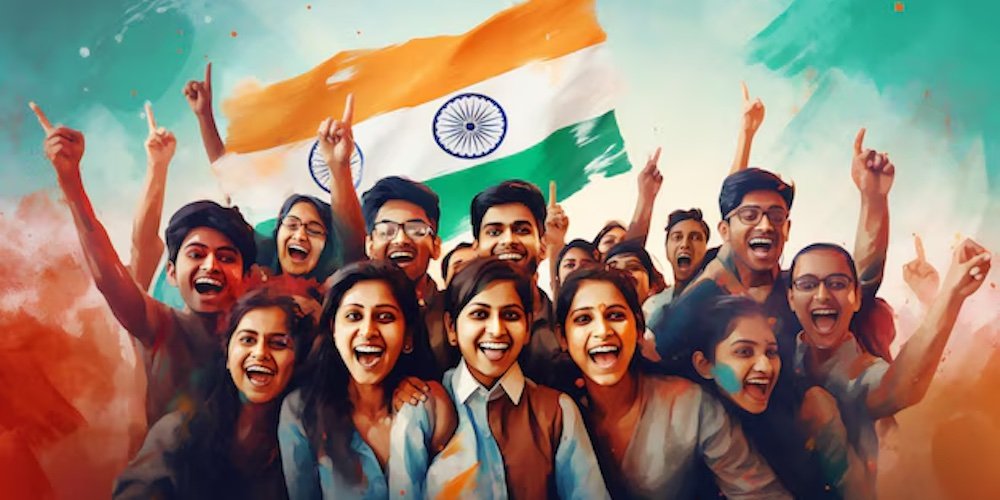
India needs a dedicated youth news channel that explains the country’s transformation — not just reports the headlines
From the abrogation of Article 370 to the expansion of solar energy, round-the-clock electricity, the modernisation of Indian Railways, infrastructure development and advances in space technology, India is undergoing changes that deserve to be documented, explained and debated.
Yet young Indians need more than scattered headlines and viral social media clips. They need a credible platform that connects government policies and national developments to their everyday lives, explains the evidence behind claims of progress, and examines what remains unfinished.
The government should establish a 24×7 youth-focused news channel built around accessible journalism, ground reporting, data-driven explainers, documentaries and digital-first storytelling. Its mission should be to make national development understandable to the next generation — not to turn news into government publicity.
The central idea is simple: if India is changing, its young people should be able to understand how, why and with what results. A dedicated youth news channel can bridge the gap between policymaking and public understanding, helping young Indians become informed citizens who can appreciate achievements, question claims and hold institutions accountable.

We must take this idea beyond discussion and turn it into a concrete, fundable project. We should meet decision-makers at Doordarshan and Prasar Bharati, as well as leaders in the communications industry, to explore how their platforms, technology and resources can help us reach one million students across India.
These students are often direct, curious and open to new ideas. We should speak to them in a language they understand, without the clutter of conventional political communication. Show them how India has changed, explain the decisions behind those changes, and encourage them to ask difficult questions.
There may also be an opportunity to engage people within the RSS ecosystem who are interested in rethinking how ideas are communicated to the younger generation. Any such initiative must overcome institutional inertia and recognise that today’s students cannot be reached through yesterday’s methods.
The next step is to assemble a small, credible team, prepare a compelling project proposal and take it to the people who have the power to make it happen. We should begin with a pilot, demonstrate that it works, measure student engagement and then scale it nationally.
The objective is not merely to launch another channel. It is to build a new bridge between India, its institutions and its next generation.