Expanding Crop Protection in India
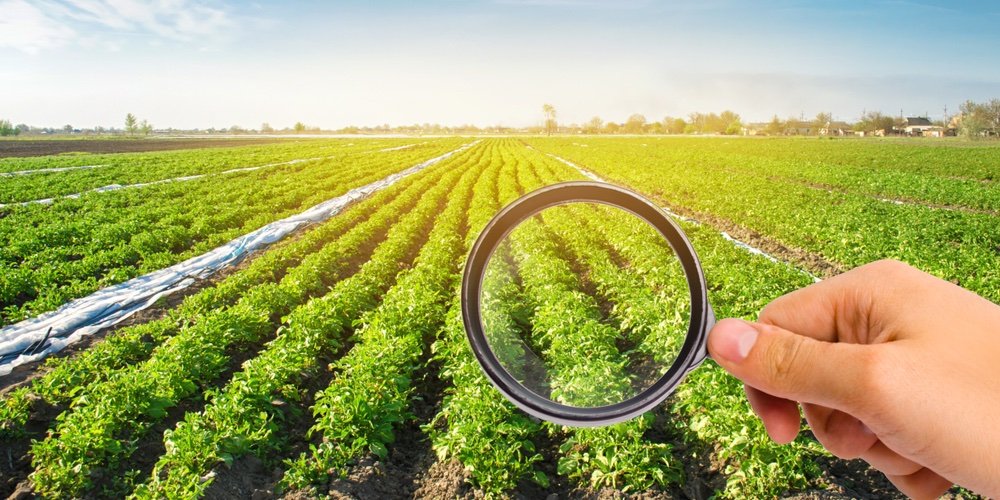
Crop protection helps to keep plants healthy and maintain sustainable yields. The choice of plant protection strategy depends on the type of cultures grown and the threat. It can be diseases, insects, or weeds. At the same time, measures must be timely and, wherever possible, preventive.
Modern crop protection compounds make extensive use of digital solutions. They enable the precise analysis of soil and plant conditions and provide accurate information about external factors such as weather conditions. At the same time, they allow optimizing the use of resources. As a result, farmers can protect crops, increase profits, and minimise environmental damage.
Agriculture remains the backbone of the Indian economy, employing over 40% of the workforce and ensuring food security for a population exceeding 1.4 billion. However, the sector faces an existential threat from pests, diseases, weeds, and the escalating vagaries of climate change.
Annual crop losses due to pests and diseases in India are estimated to be between 15% and 25%, translating to billions of dollars in economic waste and undermining nutritional security. To transform India into a global agricultural powerhouse and safeguard farmers’ livelihoods, expanding and modernising crop protection is no longer an option — it is an absolute necessity.
The Current Landscape and Underlying Challenges
Crop protection in India has traditionally relied heavily on chemical pesticides. While the Green Revolution demonstrated the efficacy of chemical interventions in boosting yields, it also introduced long-term challenges. India’s pesticide consumption per hectare is relatively low compared to global averages like Japan or the USA, yet the intensity of misuse and lack of awareness lead to severe localised issues.
Several structural challenges hinder effective crop protection adoption across the country:
• Fragmented Landholdings: Over 85% of Indian farmers are small and marginal, holding less than two hectares of land. For these farmers, high-quality crop protection chemicals and advanced application technologies are often financially out of reach.
• Information Asymmetry: Farmers frequently rely on local retail dealers for advice on pest management. This often results in the incorrect choice of chemicals, improper dosages, and untimely applications, which accelerate pest resistance and increase input costs.
• Climate Change Vulnerabilities: Altered weather patterns, unseasonal rains, and rising temperatures have shifted pest dynamics. Invasive species like the Fall Armyworm and locust swarms have become more frequent, catching traditional protection frameworks off guard.
The Shift Towards Integrated Pest Management (IPM)
Expanding crop protection does not mean blindly increasing chemical application. The modern paradigm demands a holistic approach centered on Integrated Pest Management (IPM). IPM combines biological, cultural, physical, and chemical tools to minimize economic damage while safeguarding human health and the environment.
The government and private sectors are increasingly promoting biological control agents — such as bio-pesticides, neem-based formulations, and pheromone traps. These alternatives reduce chemical residues in food, a critical requirement for boosting India’s agricultural exports to stringent markets like the European Union and the United States.
Expanding crop protection therefore requires a strategic pivot: maintaining chemicals as a curative, last-resort measure while establishing biological controls as the preventive foundation.

Technological Innovations Transforming the Field
The integration of digital technology is the single largest catalyst for expanding crop protection in India. Agritech innovations are democratising access to precision agriculture, making advanced protection accessible to smallholders.
• Drone Technology: The approval and subsidisation of agricultural drones have revolutionized pesticide spraying. Drones ensure uniform application, drastically reduce water consumption, and protect farmers from direct chemical exposure.
• AI and Remote Sensing: Satellite imagery and Artificial Intelligence (AI) algorithms are now used to monitor crop health. Early warning systems can predict pest outbreaks by analysing weather data, allowing farmers to take preemptive action before widespread damage occurs.
• Mobile Agritech Platforms: Smartphones have bridged the extension gap. Apps powered by image-recognition AI allow a farmer to take a photo of a diseased leaf and receive an instant diagnosis and treatment recommendation in their regional language.
Policy Interventions and Infrastructure Needs
To scale these innovations, robust policy frameworks and infrastructure support are indispensable. The Government of India’s initiatives, such as the promotion of “Kisan Drones” and the restructuring of the Central Insecticides Board & Registration Committee (CIB&RC) processes, aim to expedite the introduction of safer, greener crop protection molecules.
Furthermore, strengthening the domestic manufacturing of crop protection chemicals under the “Make in India” initiative reduces reliance on technical-grade imports, lowering costs for the end consumer.
However, equal attention must be paid to upgrading cold chain storage and supply chain logistics to ensure bio-pesticides, which are highly temperature-sensitive, retain their efficacy when they reach the fields.
Conclusion
Expanding crop protection in India is a multifaceted challenge that sits at the intersection of food security, environmental sustainability, and economic prosperity. The future lies in a balanced ecosystem where advanced chemistry coexists with biological solutions, driven by digital technology and guided by robust farmer education. By empowering smallholders with precision tools, fostering agritech collaborations, and committing to sustainable practices, India can protect its yields, enrich its farmers, and secure its position as a resilient breadbasket for the world.