A Catalyst for Social Inclusion
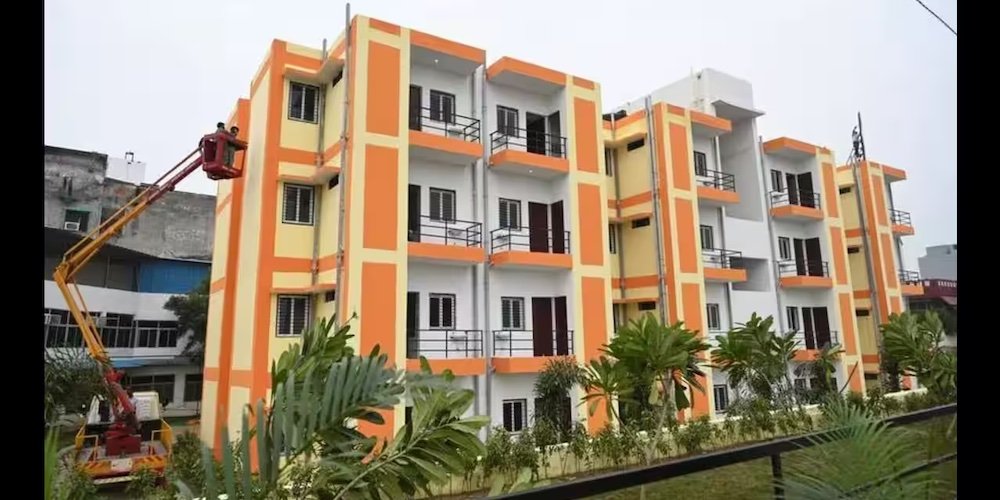
PMAY-U is a flagship urban housing mission aimed at ensuring Housing for All in urban areas. It provides pucca houses with basic civic amenities to eligible urban households across the country. The Mission primarily targets EWS, LIG, MIG families and slum dwellers in cities and towns. Implementation experience under PMAY-U led to the launch of a restructured PMAY-U 2.0 in 2024. Strong emphasis is placed on inclusivity, with benefits extended to women and other vulnerable urban groups. Technology-enabled systems such as geo-tagging and real-time dashboards have strengthened transparency and monitoring.
At its core, PMAY-U is a masterclass in structural social inclusion. The scheme intentionally targets the most vulnerable segments of urban India, specifically focusing on the Economically Weaker Sections (EWS), Low Income Groups (LIG), and Middle Income Groups (MIG). Beyond economic classification, the mission prioritises marginalized communities, including Scheduled Castes (SCs), Scheduled Tribes (STs), Other Backward Classes (OBCs), senior citizens, persons with disabilities, and transgender persons.
A defining feature of this inclusion is the mandatory provision that the house must be registered in the name of the female head of the household or in joint ownership. This simple policy shift has driven a monumental surge in women’s empowerment across corporate and informal socio-economic classes. Historically excluded from asset ownership, women are suddenly positioned as primary property owners. This foundational asset ownership provides security, enhances financial leverage, and elevates their decision-making status within families and broader community structures.
Empowerment Beyond Four Walls
The true metric of success for PMAY-U lies beyond the concrete structures; it is found in the holistic transformation of the standard of living. Every dwelling built under the mission is an “all-weather pucca house” equipped with essential civic amenities. By explicitly integrating housing with other national missions, a PMAY-U home automatically ensures access to clean drinking water, adequate sanitation, electricity, and clean cooking fuel via LPG connections.
The transition from temporary, hazardous shelters to safe, permanent homes triggers a profound socio-economic domino effect. Families experience an immediate reduction in health expenses due to better sanitation and reduced exposure to extreme elements.

Financial resources previously drained by recurrent house repairs are redirected toward children’s education, nutrition, and small business investments. The physical security of a locked door gives informal workers peace of mind, freeing up cognitive capital to seek better livelihood opportunities.
In essence, a permanent address secures institutional identity, enabling citizens to open bank accounts, access formal credit, and fully participate in the democratic and economic life of the nation.
Digital Governance and Technology-Driven Execution
The massive scale of PMAY-U demanded an equally sophisticated execution strategy, achieved through the deployment of modern governance technologies. The mission integrated technology-enabled systems like geo-tagging, real-time dashboards, and the PMAY-U Unified Web Portal to maintain absolute transparency. Geo-tagging allows authorities to track construction progress across various stages in real-time, preventing leakages and ensuring that financial assistance — up to ₹2.50 lakh per unit — are directly credited to verified bank accounts.
Furthermore, the Global Housing Technology Challenge India (GHTC-India) introduced eco-friendly, green, and disaster-resilient innovative construction techniques, proving that mass housing can coexist with environmental sustainability.
The Next Chapter: PMAY-U 2.0
Recognising that urbanisation is an ongoing phenomenon, the government launched PMAY-U 2.0 in September 2024. Running from 2024 to 2029, this next phase aims to assist an additional 1 crore urban poor and middle-class families. By addressing new annual income brackets and integrating affordable rental housing options, PMAY-U 2.0 actively caters to the evolving needs of migrant labourers and young professionals who fuel city economies but cannot immediately afford direct purchases.
Conclusion
Pradhan Mantri Awas Yojana–Urban is far more than a statistic of brick and mortar; it is the cornerstone of a modern, equitable India. By bridging the vast gap in urban infrastructure, embedding gender equality into property rights, and utilizing digital transparency, the mission has restored dignity to millions.
As PMAY-U 2.0 expands its reach, the programme continues to prove that when you provide a secure roof over a family’s head, you do not just build a house—you build a foundation for lifelong empowerment, economic mobility, and national progress.