A New Chapter in Tribal Games
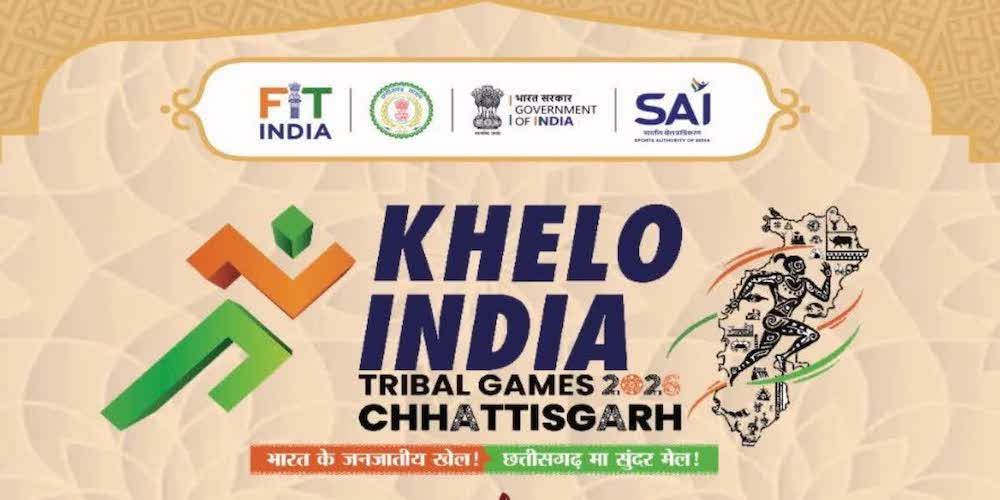
Khelo India Tribal Games Are Empowering the Roots of Sporting Excellence
The ongoing inaugural edition of the Khelo India Tribal Games (KITG) is being held from 25th March to 3rd April 2026 in Chhattisgarh, across three host cities — Raipur, Jagdalpur and Sarguja.
It is the first national multi-sport event under the Khelo India programme dedicated exclusively to tribal athletes, bringing participants from across 30 States and Union Territories onto a common competitive stage.
The KITG represents a historic and transformative chapter in India’s sporting journey. Launched as a specialized vertical under the flagship Khelo India Scheme, this initiative is dedicated exclusively to identifying, nurturing, and promoting talent from India’s diverse tribal communities.
The inaugural edition of the Games aim to bridge the gap between rural athletic potential and national sporting platforms, adhering to Prime Minister Narendra Modi’s vision of a “Viksit Bharat” (Developed India) through sports.
Context and Significance
Tribal communities in India have a long history of natural endurance, agility, and a strong culture of physical activity. However, many talented athletes from these regions often lack access to modern training infrastructure, structured coaching, and exposure. The Khelo India Tribal Games aim to change this narrative by “bringing the margins to the mainstream”. By conducting nationwide trials and inviting participants from various states, the initiative ensures equitable opportunities, strengthening the national sports talent pool.
Participation
Over 3,000 athletes from approximately 30 states and Union Territories are competing, showcasing the extensive reach of the initiative.
Disciplines
The Games feature nine sporting disciplines, including seven competitive medal sports — archery, athletics, football, hockey, swimming, weightlifting, and wrestling—and two traditional demonstration sports: Mallakhamb and Kabaddi.

Venues
The events were strategically held in Chhattisgarh’s tribal-majority regions, including Raipur, Jagdalpur, and Surguja, bringing top-tier competition to the grassroots.
Mascot
The official mascot for the Games was ‘Morveer’, a name derived from Chhattisgarhi, representing bravery and pride, which resonates with the spirit of the tribal communities.
Nurturing Talent and Future Pathways
The Khelo India Tribal Games are not just a competition but a comprehensive scouting platform. Talent identification teams comprising coaches from the Sports Authority of India (SAI), high-performance directors, and national scouts are present at the games to select promising players. These selected athletes receive advanced training at SAI centres of excellence and support, paving the way for them to represent India on the international stage. This is a strategic move, especially as India aims to become a top-five sporting nation by 2047, the centenary of its independence.
Impact on Tribal Youth and Society
The Games serve as a major catalyst for empowerment. By providing a platform for recognition, they boost the confidence of tribal youth and create professional career pathways in sports. Furthermore, the initiative helps in reviving and promoting indigenous sports like Mallakhamb, showcasing traditional physical arts to a wider audience. The success stories of tribal sporting icons like Deepika Kumari (archery) and former Hockey India President Dilip Tirkey serve as inspiration, proving that with the right support, tribal athletes can break barriers.
Conclusion
The Khelo India Tribal Games are a visionary step toward making sports a truly inclusive movement in India. By focusing on the immense potential hidden in the forests and hills of the country, this initiative ensures that the next generation of sporting champions emerges from all corners of the nation, fostering not just athletic excellence but social empowerment and national integration.