A “WORLD OF MANY WARS” IN KALI YUGA
Is the world in Kali Yuga? In Hindu scriptures, it is the “shortest and worst” of the four Yugas, supposedly replete with conflict and sin. Humanity is already embroiled in far too many self-created sins and 56 ‘active’ conflicts, the highest since World War 2.
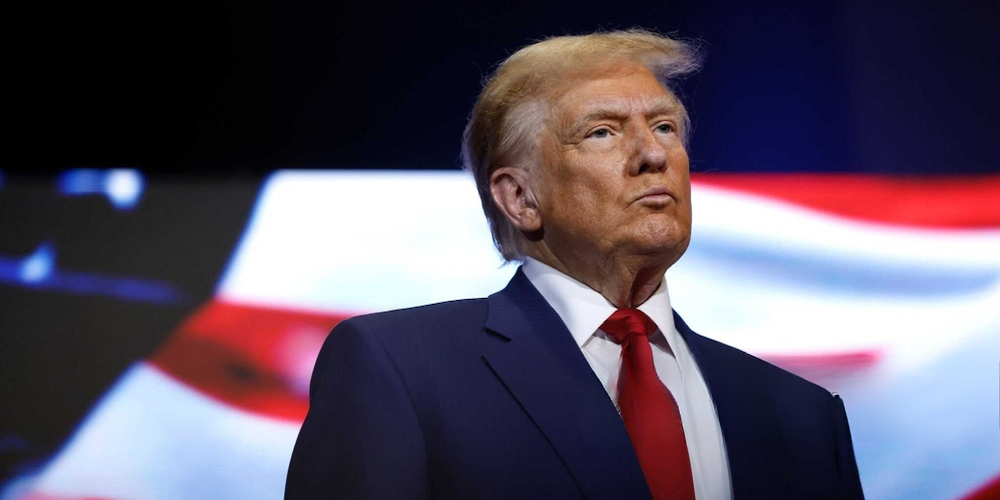
The man who warned of a World War 3 last year is now dragging us into “a world of many wars”, yet claiming to resolve some and claiming, even if second-hand, the Nobel Peace Prize.
Days after a crude (oil)-seeking forced regime change in the crudest possible way in Venezuela, the world worried through the last week, fearing an attack on Iran. That threat is still alive. The ‘armada’ is closing in on the Gulf region.
There is no guarantee that we may have avoided a third global war. The first two began in Europe. Is Europe poised for a third one on its soil, and against the United States? Its erstwhile ally, now a superpower, wants to ‘annexe’ Greenland, citing security concerns. Is America’s security at variance with Europe’s?
The Europeans who disagree and have defied, however symbolic, have been ‘tariffed’. This is the new WMD – weapon of mass (economic) destruction – that the USA is wielding against any dissenter, anywhere.
Is Europe collectively ready to be NATO minus America? It has never been so divided and threatened since World War II. Someone even posted a map of countries the US has threatened to attack, with or without any warning. When and where will it end?
It is tiring, but equally worrying to write about it: Canada is the latest target for protesting against ‘hegemony’ at Davos. And Cuba is the perennial ‘next’.
Singaporean statesman George Yew aptly, and ruefully, said in a speech in New Delhi that “as we open our eyes every morning, we have to find out what Donald Trump has said.”
One is unsure whether, amidst all his gambles, Trump is aware that he is pushing even allies away, closer to China, his principal adversary. The very fact that Yew was invited to India, speaking eloquently against American policies, with External Affairs Minister S. Jaishankar in attendance, is significant.
He commended the BRICS and its role in de-dollarizing the global economy, about which India, while withdrawing from the dollar market, remains silent. In an interview with UNI, Yew favoured an India-Russia-China alliance, saying “multipolarity must begin with Asia.” Revive the old Panchsheel ethos; the world badly needs it today.
Yew and the ASEAN region are not alone. Delhi is pushing its ‘thaw’ with Beijing in a calibrated manner. So, despite border disputes, there may be more trade, even if the balance is heavily in China’s favour. Opening on the knowledge and technology fronts is coming.
Only a few months back, Jaishankar criticised the Europeans for ignoring the world’s problems but insisting that the world heed Europe’s problems (Ukraine and Russian oil trade). Today, as India’s tariff impasse hinges on Trump’s promise of “a good deal”, Europe is moving closer to India. The vexed trade deal with the European Union (EU) is now being touted as “the mother of all deals”.

Both India, troubled by the changed US policy in the South Asian region (Pakistan, Bangladesh) and Europe, under attack, not just over Greenland, need the deal. Unsurprisingly, the European Council President, Antonio Costa and the President of the European Commission, Ursula von der Leyen, will be the Chief Guests for India’s Republic Day this month.
Already, distant Venezuela and neighbouring Iran have both begun to hurt India. New Delhi has been a meaningful buyer and investor in Venezuelan crude. Until 2019, Venezuela met approximately 6.7 per cent of India’s total crude oil needs. Indian public sector firms and private refiners had long viewed Venezuela as a strategic source of heavy crude.
Much of Venezuela’s product — especially grades such as Merey-16 and Hamaca — contains heavy, high-sulphur crude with elevated asphaltene content. Not all refineries can process such oil efficiently. Indian refiners are unusually well-positioned in this regard. Reliance Industries, Indian Oil Corporation, and Hindustan Petroleum have invested heavily in complex refining infrastructure capable of handling heavy and sour crude blends. These facilities were deliberately designed to maximise margins from discounted, difficult-to-process oil, making Venezuelan grades a natural fit from a refining perspective. If this supply continues, it will be without concessions, at America-fixed prices.
For India, blind compliance with an evolving and opaque sanctions regime carries risks. Already facing sustained pressure from the US over its energy ties with Russia, the proposed Sanctioning Russia Act 2025 envisions a 500 per cent tariff hike.
Buying Iranian oil, its content and most favourable logistically, has become difficult after the American tariff hike threat. That source will dry up unless, God forbid, the US attacks Iran! What a dilemma for India that it should be calculating its options, with or without a regime change in Tehran!
India’s heavy investment in Iran’s Chabahar port has been subject to the whims of each American administration. Currently under Washington’s waiver till April, India has sought an extension, the government has said. However, credible reports indicate that India has already exited the project and paid out its committed $120 million. Iran can continue operating the port without India’s involvement.
Worrying reports say all the government directors on the board of India Ports Global Ltd have resigned, and the website of the state-owned entity tasked with developing and running Chabahar Port was taken down to “insulate everybody associated with the port from potential sanctions”.
Chabahar is India’s gateway to Afghanistan and Central Asia. Viewed strategically, it has been India’s answer to Pakistan’s Gwadar port, which provides China with access to the Arabian Sea. Combine this with Pakistan’s recent offer of the Pasni port to the US. With the growing presence of these competitors, how will India guard its interests in the Arabian Sea and the Gulf region? Whatever the answer to this question, the prospects are grim.
Lastly, the Trump administration’s tricky invitation to India, among many others, to join the Board of Peace to oversee the Gaza conflict. It did not enter this one-man show, despite the presence of the powerless many, keen to save their skin. India, like them, would have been manoeuvred into a position contrary to the traditional policy of strengthening global multilateralism and the UN system. Although no longer vocal about its support for the Palestinian people, India chose silence as part of its realpolitik, and let the fools rush in.